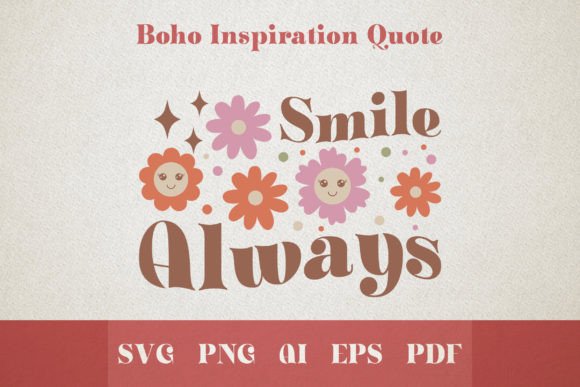
Boho Smile Always Retro Positive Groovy
First Impressions: A Design That Breathes Easy
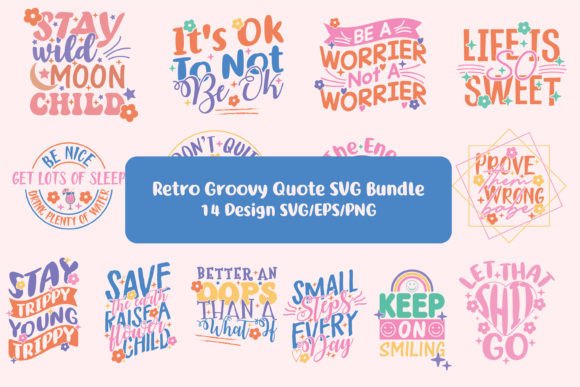
When Boho Smile Always Retro Positive Groovy landed in my inbox, I paused—not because it’s flashy, but because it settles. It’s not shouting. It’s smiling with its eyes closed, barefoot on sun-warmed grass. The layout leans into gentle asymmetry: a curved “Smile Always” arc, flanked by retro sunbursts and subtle groovy swirls. There’s no aggressive kerning or tight letter spacing—just open, airy rhythm. As a machine embroidery design, that breathability matters more than most sellers realize. It means fewer stitch collisions, less thread breakage on curves, and a natural flow when translated to fabric.
Real Project Test: Embroidering a Linen Tote for a Local Boutique
Last week, I stitched Boho Smile Always Retro Positive Groovy onto a heavyweight natural linen tote—intended for a downtown gift shop’s summer collection. I used medium-weight cutaway stabilizer, 40-weight rayon thread in warm terracotta and mustard, and a 5” hoop. The result? Clean satin-stitched lettering with soft fill-stitch sunbursts that didn’t overwhelm the texture of the linen. Customers responded immediately—not just to the message, but to how light it felt. Not cutesy. Not ironic. Just sincerely warm. That tells me Boho Smile Always Retro Positive Groovy works best where authenticity reads louder than polish: boutique merchandise, handmade baby onesies, yoga studio aprons, or kitchen towels for wellness-focused Etsy sellers.
Where It Shines—and Where It Needs Guardrails
Boho Smile Always Retro Positive Groovy thrives on stable, medium-to-heavy fabrics: cotton twill, canvas, fleece-lined sweatshirts, and structured pillow covers. Its moderate detail level makes it ideal for embroidered patches, custom apparel, and holiday embroidery like personalized Christmas stockings. On baby embroidery? Yes—but only on pre-shrunk cotton onesies with light tear-away stabilizer and reduced stitch density. Avoid dense fill areas near seams or curved surfaces like caps unless you’ve tested the design’s flexibility in those zones first.
It stumbles—gently—on thin or highly stretchy fabrics (think lightweight jersey tees) without careful stabilization. Tiny corners in the groovy swirls can fuzz on low-thread-count cotton towels if stitch density isn’t adjusted. And while the lettering is legible at 3.5”, don’t push it below 3” on dark fabric without verifying contrast in a printable mockup. For commercial embroidery, always check whether the digital embroidery file includes alternate versions optimized for dark backgrounds or simplified outlines.
Stitch Clarity Meets Customer Trust
Here’s what I watch for in every design I use for client work: Does it look intentional, not accidental? Boho Smile Always Retro Positive Groovy passes. Its balanced negative space prevents visual clutter, and the retro motifs are stylized—not literal—so they hold up even when slightly distorted by fabric drape. That builds customer trust: buyers sense care, not haste. When your finished product looks like something a craft business owner chose deliberately—not grabbed from a bulk pack—it elevates perceived value. That matters whether you’re pricing a $28 embroidered tea towel or a $95 custom sweatshirt for a wedding party.
Practical Designer Notes You’ll Actually Use
- Test first on scrap fabric—especially if stitching on textured materials like bouclé or terry cloth. The groovy accents rely on smooth transitions; rough surfaces can snag satin stitches.
- Check thread color contrast before finalizing. This design sings in earthy tones (ochre, sage, rust), but avoid pale yellow on cream fabric—it disappears in natural light.
- Review stitch density in your editing software. Some versions of this Graphics design include heavier fill areas that may need thinning for baby embroidery or lightweight totes.
- Confirm hoop size compatibility. While it fits comfortably in a 5” hoop, verify if your version scales cleanly down to 4” for smaller items like wristlet patches or kids’ caps.
- Inspect small details—particularly the inner curves of the sunburst rays. If they’re under 1mm wide post-digitizing, they may not stitch reliably on home machines.
- Try black-and-white mockups before committing to thread colors. This design’s charm lies in shape and proportion—not just hue.
- Use proper stabilizer: cutaway for knits, tear-away for stable wovens, and lightweight fusible for delicate linens.
- Verify licensing before listing as a digital embroidery file or selling finished products commercially. Since it’s categorized under T-Shirt Designs, confirm whether personal-use-only restrictions apply.
Not Just a Quote—A Tone Setter for Your Brand
Boho Smile Always Retro Positive Groovy doesn’t function like a generic “Happy Birthday” graphic. It carries tonal weight. When used consistently across a small shop product line—say, matching embroidered pillow covers, aprons, and tote bags—it quietly reinforces brand personality: grounded, joyful, unhurried. That cohesion matters to Etsy sellers building recognition and repeat buyers who return not just for the item, but for the feeling it delivers. It also translates well into printable mockups for social media—its balanced composition holds up in thumbnails and carousel posts without cropping awkwardly.
A Final Thought Before You Stitch
This isn’t a design that demands attention. It invites it—softly. That’s rare. In a market flooded with loud, trend-chasing graphics, Boho Smile Always Retro Positive Groovy offers quiet confidence. Use it where handmade presentation matters most: personalized gifts, nursery decor, slow-living merchandise, or any project where the message and the making feel equally sincere. Just remember—its strength lies in restraint. Respect the fabric. Respect the stitch. And let the smile breathe.