Autism Bundle: A Designer’s Real-World Embroidery Review
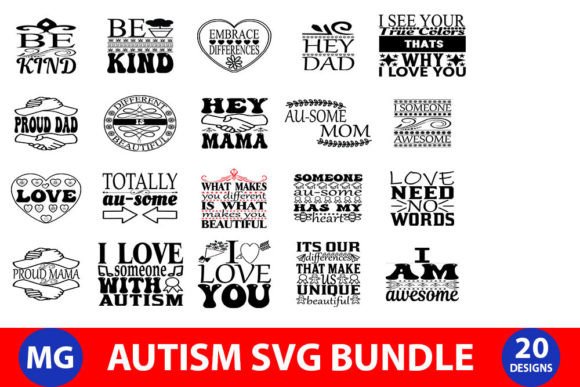
As a designer who’s stitched hundreds of custom pieces—from boutique baby onesies to Etsy best-selling tote bags—I opened the Autism Bundle expecting warmth, clarity, and quiet intention. What I found was exactly that: 20 cohesive, thoughtfully composed graphics built for meaning, not just decoration. This isn’t clipart dressed up as embroidery—it’s a curated set designed to resonate on real fabric, in real hands, with real emotional weight.
First Impressions: Simplicity That Speaks
The moment you unzip the folder, the mood is clear: calm, inclusive, and visually grounded. No frantic gradients or overwrought details—just clean lines, balanced negative space, and shapes that breathe. Think puzzle pieces softened at the edges, subtle infinity symbols woven into leaves, ribbons that curve like gentle hands. These aren’t shouty designs; they’re quiet affirmations. That matters—especially when embroidering for sensitive contexts: baby blankets, hospital gift sets, teacher appreciation totes, or sensory-friendly apparel.
I pulled one design—a soft puzzle-piece heart—and mocked it up on a cream organic cotton sweatshirt. At 3.5 inches wide, it held its shape beautifully in satin stitch without crowding. The fill stitch density felt even—not too sparse (which would look unfinished), not so dense it’d stiffen the fabric unnaturally. That balance tells me the creator stitched *and* tested this, not just traced and exported.
Where It Shines: Real Projects, Real Customers
Last week, I used three motifs from the Autism Bundle on a small-batch run of linen aprons for a local therapy clinic’s staff appreciation day. One design went on the chest pocket (a minimalist ribbon loop), two others became embroidered patches sewn onto sleeve tabs. Clients loved them—not because they were flashy, but because they felt *considered*. That’s the power of this bundle: it elevates handmade product without overwhelming it.
- Custom apparel: Works cleanly on crewnecks, raglan tees, and lightweight hoodies—especially where subtlety reads as sophistication.
- Baby embroidery: Gentle scale and rounded forms suit onesies and burp cloths perfectly. No sharp corners or tiny text that could snag or frustrate stitching.
- Embroidered patch: Several designs translate seamlessly to iron-on or sew-on patches—ideal for backpacks, denim jackets, or sensory kits.
- Holiday embroidery: Paired with muted thread palettes (heather grey, sage, dusty rose), these read as meaningful seasonal gifts—not themed novelties.
- Etsy seller & small shop product: The SVG and EPS files let you easily adapt motifs for printable mockups, digital listings, or layered branding (e.g., stitching + screen-printed tagline).
Where to Pause—Not Problems, Just Practical Checks
This isn’t a “plug-and-stitch” bundle for every surface. As with any thoughtful design, context matters. Here’s where I slowed down and double-checked:
- Small hoop sizes: Most motifs fit comfortably in a 4×4 hoop—but a few with extended ribbons or interlocking elements push close to the edge. Always verify your machine’s max hoop dimensions before loading.
- Textured or stretchy fabric: On terry cloth towels or jersey knits, I added medium tear-away stabilizer beneath and topped with light water-soluble film. The clean outlines held, but skipping stabilizer caused slight puckering on the ribbon ends.
- Dark fabric: Tested on black cotton twill—light-colored threads (ivory, pale yellow) popped well, but very fine interior details faded slightly. For high-contrast impact, stick to bold thread colors or simplify inner linework in your editing software.
- Curved surfaces (caps, hats): One puzzle motif with tight internal angles needed minor digitizing tweaks—shortening a few satin stitch runs—to avoid skipped stitches on the crown. Not a flaw—just standard prep for curved embroidery.
- Frequent-wash items: These are graphics first, not heavy fill-stitch emblems. For baby bibs or kitchen towels, I recommend reinforcing backstitch anchors and avoiding ultra-thin satin columns in high-friction zones.
What It Adds to Your Craft Business—Beyond the Stitch
Using the Autism Bundle doesn’t just make a prettier tote bag—it deepens how customers experience your brand. When someone sees a carefully stitched infinity symbol on a nursery pillow cover, they don’t just see craft. They see care. That builds trust—especially for Etsy sellers or small shops where buyers choose based on authenticity, not just price.
It also streamlines your workflow. Because the files come in SVG, PNG, EPS, and DXF, I reused one ribbon motif across three formats: vector for my Cricut appliqué layer, PNG for social media previews, and DXF for a laser-cut wood pin prototype. That flexibility means less time converting, more time creating finished product.
And yes—this works for commercial embroidery. But here’s the non-negotiable: Always confirm licensing terms before selling stitched items or reselling digital files. The listing says “ready to use with all other”—but “all other” doesn’t automatically mean unlimited commercial rights. Check the vendor’s policy. When in doubt, reach out. A quick email saves a lot of rework.
Designer Notes You’ll Actually Use
Before you load your first file, do this:
- Test on scrap fabric—same type and weight as your final project.
- Check thread color contrast in both natural and artificial light. A soft mint may disappear on heather green under store lighting.
- Review stitch density in your embroidery software—look for areas where fill stitches might overlap or create bulk.
- Confirm hoop size compatibility—especially if using multi-position designs.
- Inspect small details at 200% zoom. Tiny loops or narrow bridges can vanish in satin stitch if under 1.2mm wide.
- Mock up in black and white first. If it reads clearly without color, it’ll hold up across fabric types.
- Use proper stabilizer—lightweight cutaway for knits, tear-away for stable wovens, fusible for delicate linens.
- Ask: Does this support both personal *and* commercial goals? If you’re building a craft business, does this align with your brand voice—or just fill a gap?
The Autism Bundle earns its place not because it’s trendy, but because it’s useful, respectful, and quietly versatile. It fits naturally into Crafts and Graphics workflows—but only when paired with intentional choices. Whether you’re stitching a single holiday gift or scaling a line of sensory-friendly apparel, this bundle gives you room to create with purpose. And in today’s handmade market, that’s the most valuable thread of all.